
Access to essential maternal care is critical for protecting the health, safety, and dignity of pregnant women, particularly during emergencies. In disaster affected communities, disruptions to housing, healthcare access, and daily living conditions can significantly increase risks for expectant mothers. Timely emergency interventions are therefore vital to safeguarding maternal wellbeing and supporting healthier pregnancy outcomes.
Following Cyclone Ditwah and subsequent landslides, several communities in Sri Lanka’s Central Province experienced widespread disruption to livelihoods and living conditions. Pregnant women were among the most vulnerable during this period, facing heightened health risks due to displacement, limited access to essential supplies, and unstable recovery environments.
In response to these urgent needs, the Emergency Provision of Maternal Care Essentials for Pregnant Women project was implemented to support affected women in the Kandy District.
 Addressing Maternal Health Needs After Cyclone Ditwah
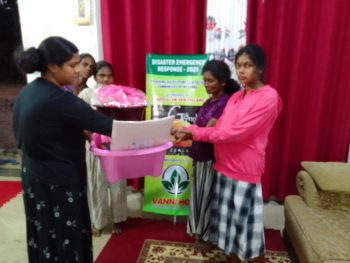 Addressing Maternal Health Needs After Cyclone Ditwah
The project was carried out in selected communities within the Kandy District of the Central Province, targeting pregnant women who were directly affected by Cyclone Ditwah and related landslides. A total of eight pregnant women were identified through local health workers and community networks as requiring immediate support during the recovery phase.
Many of the beneficiaries experienced disruptions to housing and access to basic necessities, increasing physical strain and health risks during pregnancy. The emergency response aimed to reduce these risks by ensuring access to essential maternal care items that support comfort, hygiene, rest, and overall wellbeing during this critical stage.
The primary objective of the intervention was to provide timely and practical support that would help safeguard maternal health while strengthening resilience during post disaster recovery.
Emergency Response and Distribution of Maternal Care Essentials
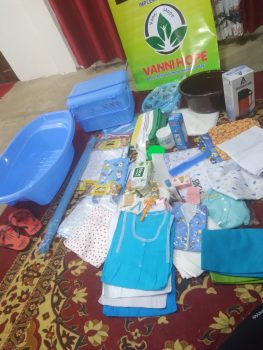 Emergency Response and Distribution of Maternal Care Essentials
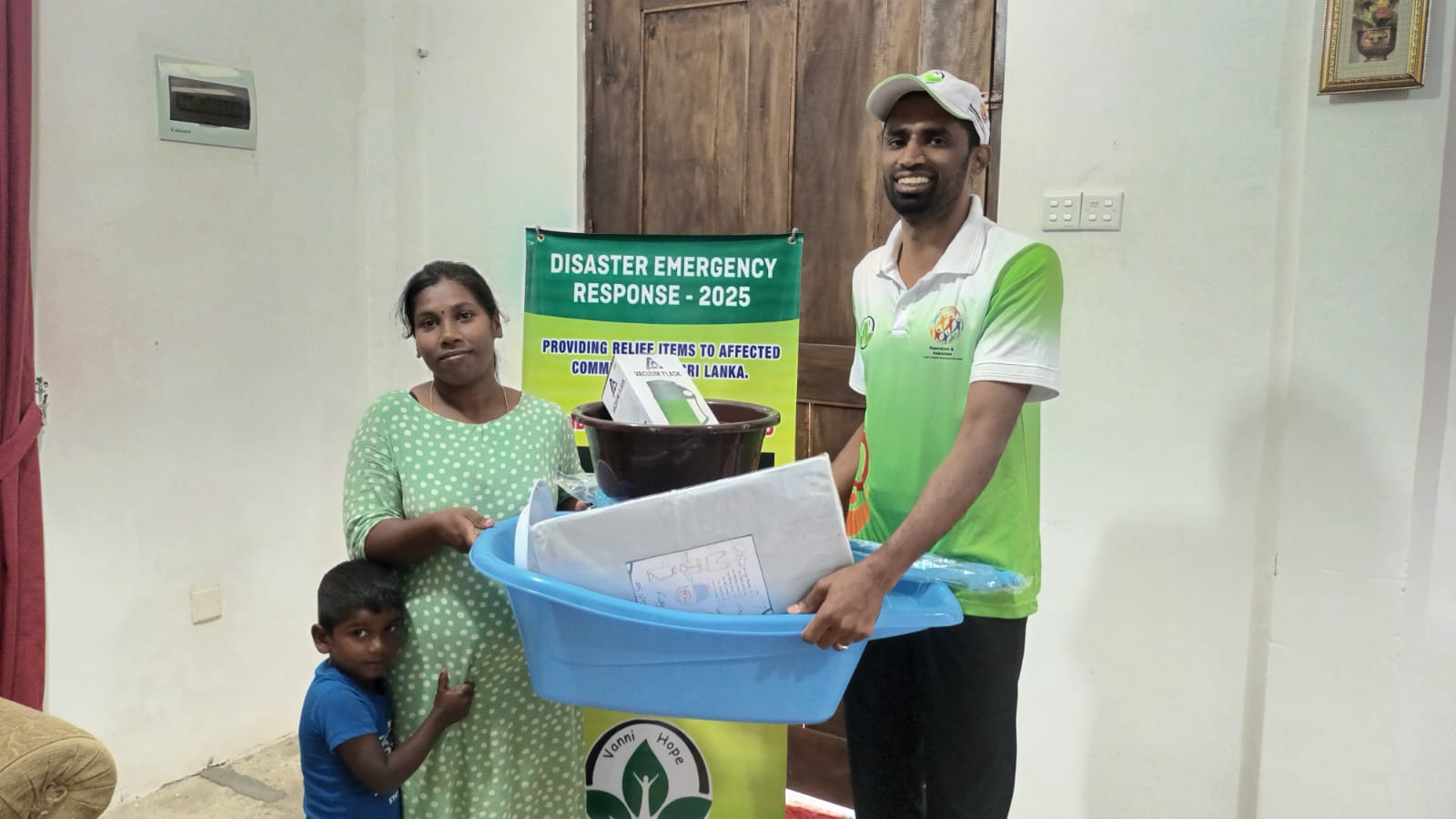
The intervention focused on the provision of maternal care essentials designed to meet immediate needs and reduce health risks associated with pregnancy in emergency settings. Each beneficiary received a package of essential items including maternity supplies, hygiene materials, bedding, and baby care items to support daily comfort and safe living conditions.
All activities were implemented in collaboration with local health workers and community volunteers to ensure appropriate identification of beneficiaries and effective distribution of supplies. Guidance was also provided on the use of items to help maximise health and wellbeing benefits throughout pregnancy.
These efforts helped address immediate gaps in maternal care while supporting safer and more dignified living conditions for pregnant women during recovery.
Beneficiaries and Impact on Maternal Wellbeing
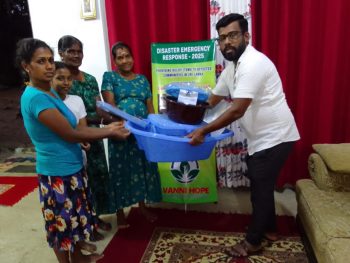 Beneficiaries and Impact on Maternal Wellbeing
A total of eight pregnant women directly benefited from the project. With access to essential maternal care items, beneficiaries experienced improved comfort, reduced physical strain, and enhanced ability to maintain hygiene during pregnancy.
The support also contributed to reduced stress and improved overall wellbeing, allowing women to focus on their health during a critical period. By addressing urgent needs early, the intervention helped promote healthier pregnancies and improved outcomes for both mothers and babies.
This emergency response played an important role in supporting vulnerable women as they navigated the challenges of post cyclone recovery.
Strengthening Recovery Through Emergency Maternal Care
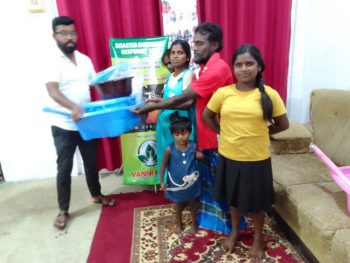 Strengthening Recovery Through Emergency Maternal Care
This project reflects a broader commitment to protecting maternal health during emergencies and ensuring that vulnerable women are not left behind in disaster recovery efforts. By delivering targeted support during a critical period, the intervention helped strengthen resilience and promote safer living conditions for pregnant women in affected communities.
We extend our sincere appreciation to Gandhi Illam from New Zealand, for their generous sponsorship, which made this emergency maternal care response possible. Their support played a vital role in improving comfort, health, and wellbeing for pregnant women affected by Cyclone Ditwah in the Kandy District.