Access to clean and reliable water is fundamental to health, dignity, and daily life. For families living in disaster affected rural communities, damage to water infrastructure can quickly escalate into serious health risks, increased hardship, and long-term vulnerability. Restoring water and sanitation services is therefore a critical step in supporting recovery and strengthening community resilience.
In the Ela Kolla Down Division of Rankala, located in Sri Lanka’s Kandy District, many households experienced significant disruption following Cyclone Ditwah. Existing water pipelines and sanitation facilities were damaged, leaving families without consistent access to safe water for drinking, cooking, and hygiene.
Recognizing this urgent need, the Provision of Water and Sanitation Facilities for Targeted Area project was implemented to support affected families and restore access to essential water services in the community.
 Improving Water and Sanitation Facilities in Rankala, Kandy District
 Improving Water and Sanitation Facilities in Rankala, Kandy District
he project was carried out in the Ela Kolla Down Division of Rankala, within the Kandy District, targeting 40 families whose water access had been severely impacted by Cyclone Ditwah. Following the cyclone, damaged pipelines and disrupted water sources increased health risks and placed additional strain on already vulnerable households.
The primary objective of the intervention was to re-establish access to clean and sufficient water by identifying a reliable natural water source and developing a safe and functional water distribution system. By restoring water infrastructure, the project aimed to reduce daily hardship, improve hygiene conditions, and support overall well being within the community.
Project Implementation and Infrastructure Development
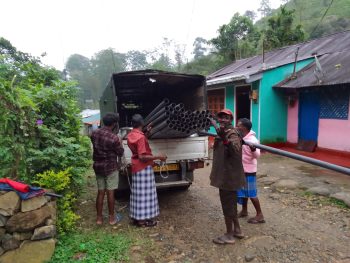 Project Implementation and Infrastructure Development
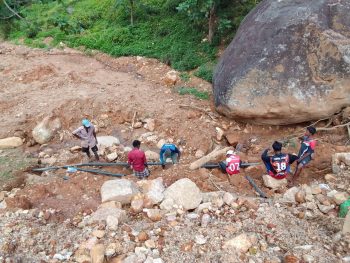
The intervention focused on practical, sustainable solutions to address immediate water needs while ensuring long term functionality. Water was sourced from a dependable natural supply and carefully channelled to designated collection points. Necessary facilities were installed to enable safe water collection and distribution for household use.
All planned activities were carried out with the active cooperation of community members, helping ensure that the system met local needs and could be maintained over time. Community involvement also contributed to a strong sense of ownership and responsibility toward the restored water facilities.
Through these efforts, families regained access to clean water for daily use, significantly reducing health risks associated with unsafe water sources.
Beneficiaries and Community Impact
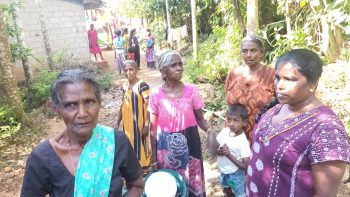 Beneficiaries and Community Impact
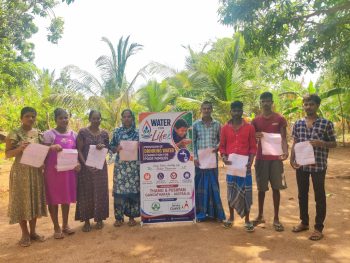
A total of 40 families directly benefited from the project. With reliable water access restored, households experienced improvements in hygiene practices and a reduced risk of waterborne diseases. The availability of clean water also eased daily burdens, particularly for women, children, and elderly family members who are often most affected by water scarcity.
The project contributed to improved living conditions and supported the broader recovery of cyclone affected families. By addressing both immediate needs and longer term sustainability, the intervention strengthened the community’s resilience against future disruptions.
Strengthening Recovery Through Sustainable Water Access
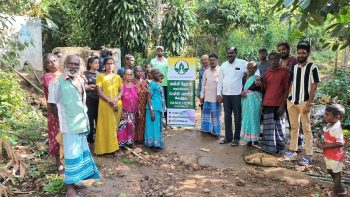 Strengthening Recovery Through Sustainable Water Access
This project reflects a broader commitment to supporting vulnerable communities through essential water and sanitation initiatives. By restoring damaged infrastructure and promoting safe water access, the intervention helped families rebuild their daily routines with greater security and dignity.
We extend our sincere appreciation to the Calais Foundation for their generous sponsorship, which made this water and sanitation project possible. Their support played a vital role in improving health, hygiene, and resilience for families in the Ela Kolla Down Division of Rankala.
Watch the full video coverage