
Across Sri Lanka’s Eastern Province, divisional hospitals play a vital role as the first point of contact for emergency and acute medical care. In rural areas especially, these facilities are often responsible for stabilising patients, managing trauma, and providing urgent treatment before referral to higher-level hospitals.
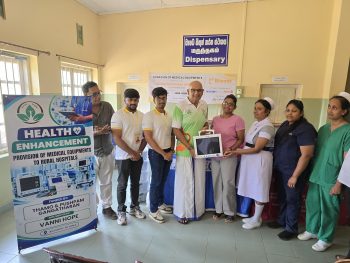
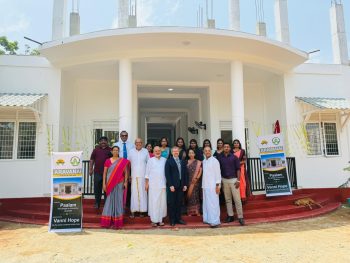
Recognising the importance of strong frontline emergency services, Vanni Hope implemented an Emergency Treatment Unit (ETU) strengthening initiative across 12 government hospitals in the Batticaloa District, working closely with the Regional Director of Health Services (RDHS) and hospital medical teams.
This initiative focused on addressing critical gaps in emergency equipment and supplies, helping ensure that healthcare workers are better equipped to respond when emergencies arise.
 Hospitals Reached Through the Program
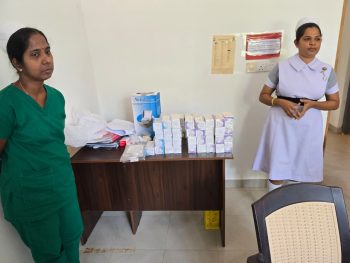 Hospitals Reached Through the Program
The program supported the following government hospitals across the Batticaloa District:
- Makiladitheevu Divisional Hospital
- Mandoor Divisional Hospital
- Thuraineelavanai Divisional Hospital
- Paalamunai Divisional Hospital
- Navatkadhu Divisional Hospital
- Mandapathadi Divisional Hospital
- Palameenmadhu Divisional Hospital
- Arayampathy Divisional Hospital
- Mavadiveembu Divisional Hospital
- Meeravodhai Divisional Hospital
- Karadiyanaru Divisional Hospital
- Chaddipalayam Divisional Hospital
Serving diverse communities throughout the district, these hospitals play a critical role in delivering emergency care, frequently doing so with constrained infrastructure and equipment.
Identifying Emergency Care Gaps
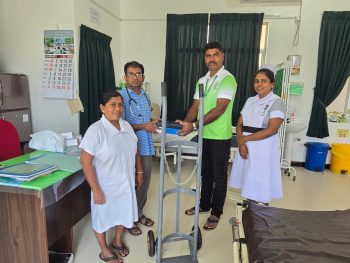 Identifying Emergency Care Gaps
Prior to implementation, joint field assessments were carried out by Dr. Krishna Mandaleson, Dr. Nage Nagendran, and the Vanni Hope field team. These visits involved direct engagement with hospital administrators and frontline medical staff to evaluate ETU functionality, patient volumes, and existing equipment availability.
The assessments identified common challenges across hospitals, including shortages of essential monitoring devices, emergency airway equipment, trauma care tools, and consumable supplies required for wound management and minor procedures. In several facilities, limited equipment contributed to delays in treatment or avoidable referrals to higher level hospitals.
Strengthening Emergency Treatment Units
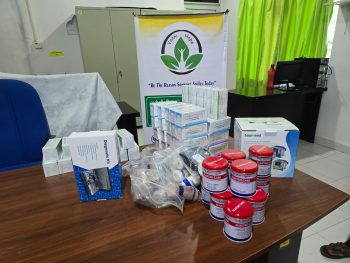 Strengthening Emergency Treatment Units
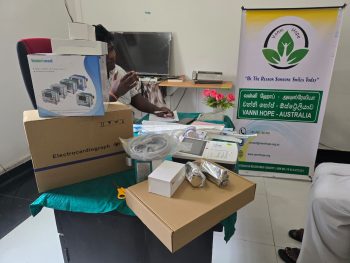
Based on hospital specific needs identified during assessments, Vanni Hope coordinated the procurement and distribution of essential ETU medical equipment tailored to each facility. Equipment provided included:
- Patient monitoring and diagnostic devices such as ECG machines, pulse oximeters, and diagnostic sets
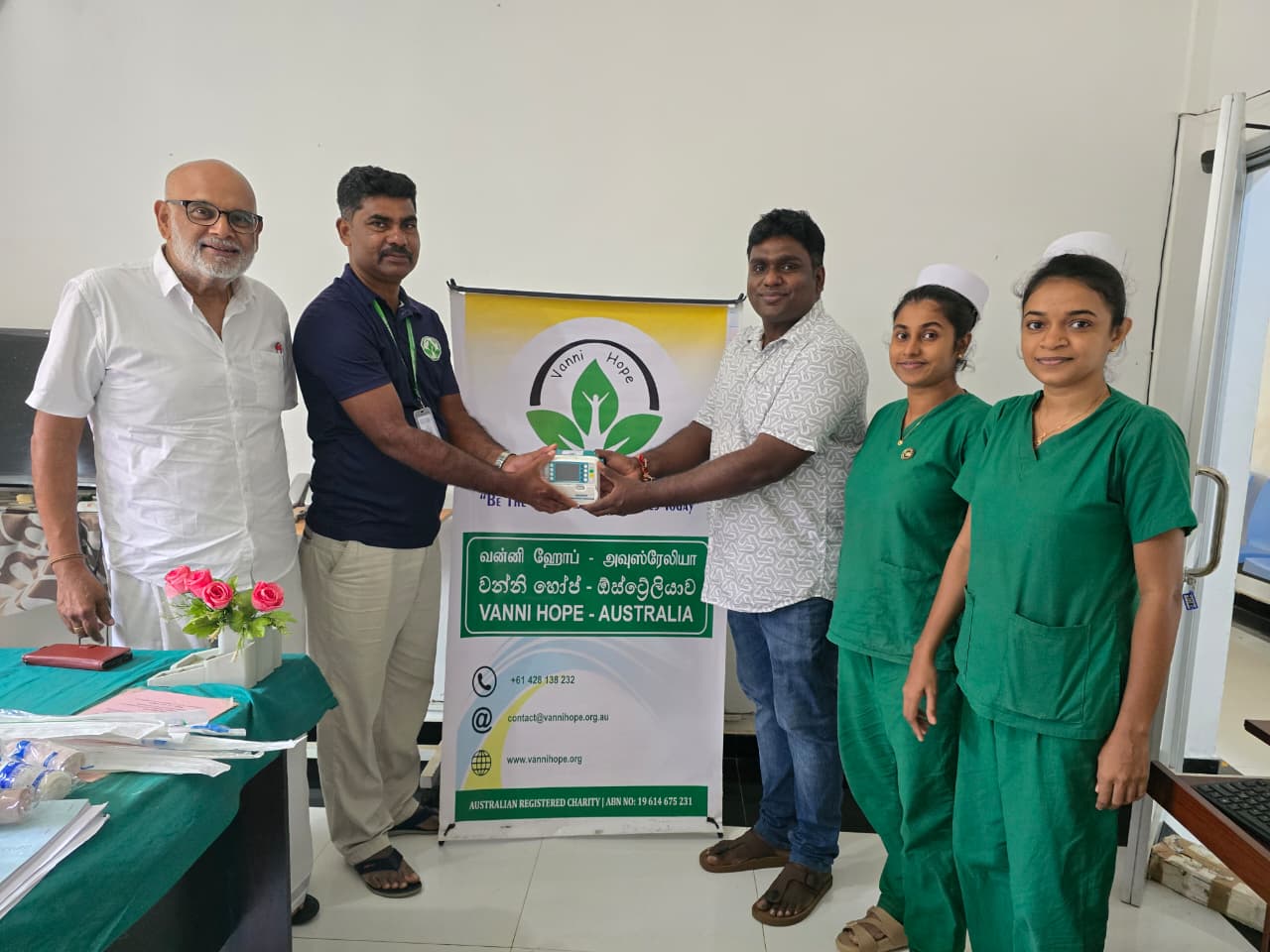
- Infusion pumps and IV support equipment for managing shock and dehydration
- Airway and respiratory support items including nebulisers, oxygen accessories, and oropharyngeal airways
- Trauma care equipment such as spinal boards, head blocks, and cervical collars
- Wound care supplies
- Procedural supplies including suture materials, elastoplasts, and bandages
- Patient mobility aids such as wheelchairs
Rather than a one size fits all approach, allocations were customized for each hospital, ensuring that the equipment delivered addressed real service gaps and could be immediately integrated into daily emergency care.
Implementation and It’s Impact
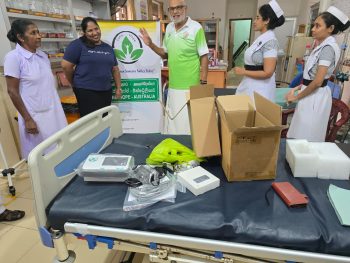 Implementation and It’s Impact
The programme was implemented in coordination with the Batticaloa RDHS, hospital leadership, and medical staff. Distribution was conducted through established government health channels, with documentation and verification at each stage to ensure transparency and accountability.
Following distribution, Vanni Hope incorporated monitoring and follow up planning to support effective utilisation of equipment and to document improvements in ETU service delivery over time.
Strengthening Emergency Treatment Units at divisional hospitals has helped improve how emergency care is delivered on the ground. With better equipped ETUs, patients can be assessed and stabilised more quickly, unnecessary delays and referrals are reduced, and healthcare staff are better supported in managing trauma and acute medical cases. Most importantly, this means communities across Batticaloa District are better able to access urgent care closer to home.
Recognising Program Support
 Recognising Program Support
This ETU strengthening initiative was made possible through the leadership and sponsorship of Dr. Krishna Mandaleson, whose involvement supported clinical assessments, coordination with hospitals, and programme implementation alongside the Vanni Hope team.
Vanni Hope extends sincere thanks to Dr. Krishna Mandaleson and all supporters who contributed to strengthening emergency healthcare services for communities across Batticaloa District.