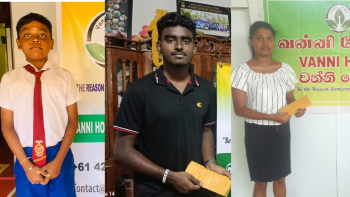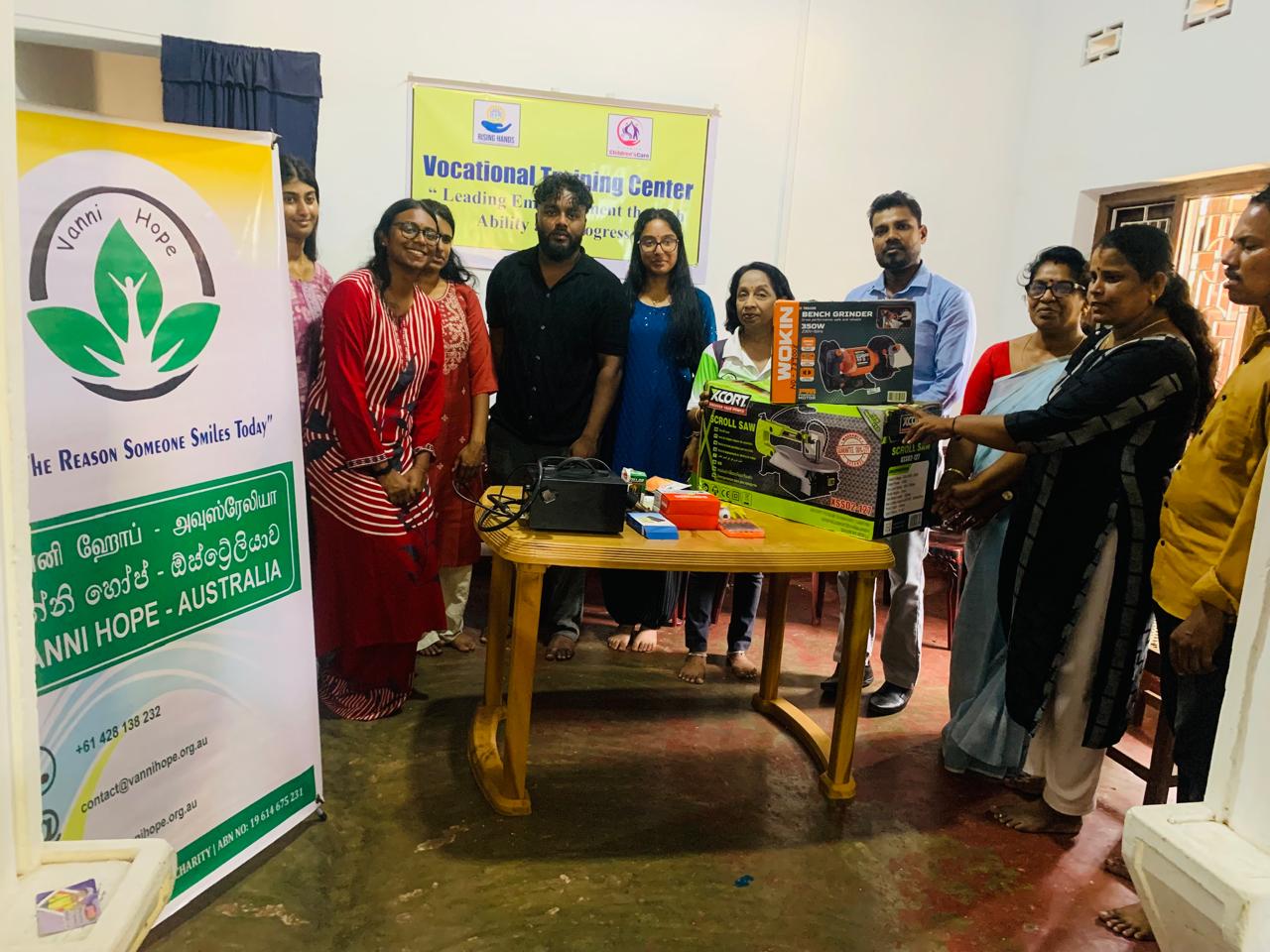

Essential training materials were successfully provided to strengthen Handicraft and Phone Repairing Training Programs in Kalmunai, creating greater opportunities for students with autism to develop practical, technical, and vocational skills.
A total of 40 students benefited from the completed initiative under the Education & Skill Development programme. Through access to appropriate equipment and hands on learning opportunities, participants were supported in developing greater confidence, independence, and skills that could contribute to future employment, self-employment, and sustainable livelihoods.
 Creating an Inclusive Space for Practical Learning
 Creating an Inclusive Space for Practical Learning
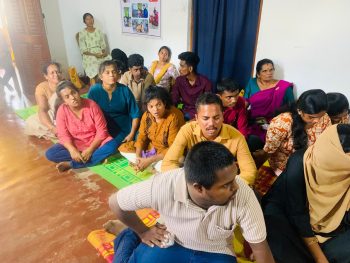
The vocational programmes were designed to provide students with autism with a supportive and skill oriented learning environment where they could develop their abilities through practical experience.
Access to suitable training materials was particularly important because hands-on activities can help participants strengthen concentration, motor skills, communication abilities, technical knowledge, creativity, and confidence. The original project was developed to address a shortage of equipment that had limited students’ ability to participate effectively in practical training sessions.
Strengthening Handicraft and Technical Skills
 Strengthening Handicraft and Technical Skills
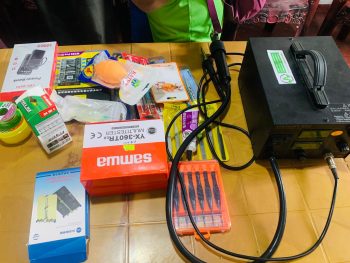
The completed project provided equipment for both handicraft and phone repairing training, including a Scroll Saw, Bench Grinder, phone repairing tools, Rework Station, soldering equipment, and Multimeter. These resources enabled students to gain practical experience using tools relevant to the skills they were developing.
Rather than learning through theory alone, participants were given greater opportunities to practise tasks directly, develop technical competencies, and build confidence in applying their knowledge independently.
Building Confidence and Independence
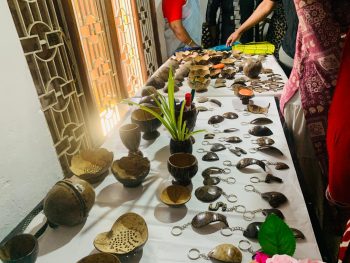 Building Confidence and Independence
An important objective of the programme extended beyond developing vocational abilities. The training was also designed to help students strengthen their creativity, social engagement, confidence, and independence within an inclusive learning environment.
By developing these abilities through structured practical activities, participants were supported in recognizing their strengths and becoming more confident in using their skills in everyday life and future livelihood settings.
Creating Pathways Towards Sustainable Livelihoods
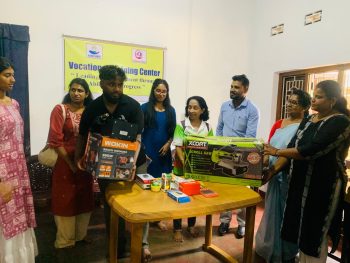 Creating Pathways Towards Sustainable Livelihoods
Vocational education can provide meaningful pathways towards greater economic independence, particularly when students are given opportunities to develop practical skills that can be applied to employment or small scale businesses.
The Handicraft and Phone Repairing Training Programs were therefore designed not only to strengthen learning but also to support future employment, self employment, and sustainable livelihood opportunities for participating students. Strengthening the vocational training capacity available to students with autism was identified as one of the project’s key intended outcomes.
Empowering Young People Through Skill Development
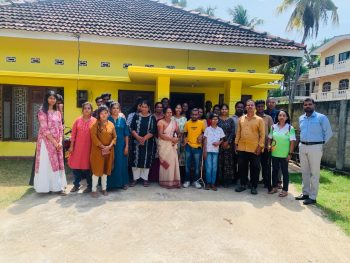 Empowering Young People Through Skill Development
The successful completion of the project represented an investment in the abilities and future potential of students with autism. By improving access to practical training materials, the initiative created greater opportunities for participants to learn through experience, strengthen their independence, and develop skills that could support their futures.
This meaningful initiative was generously supported and implemented by Vanni Hope, reflecting an ongoing commitment to inclusive vocational education, sustainable skill development, and creating opportunities for young people to build more independent futures.