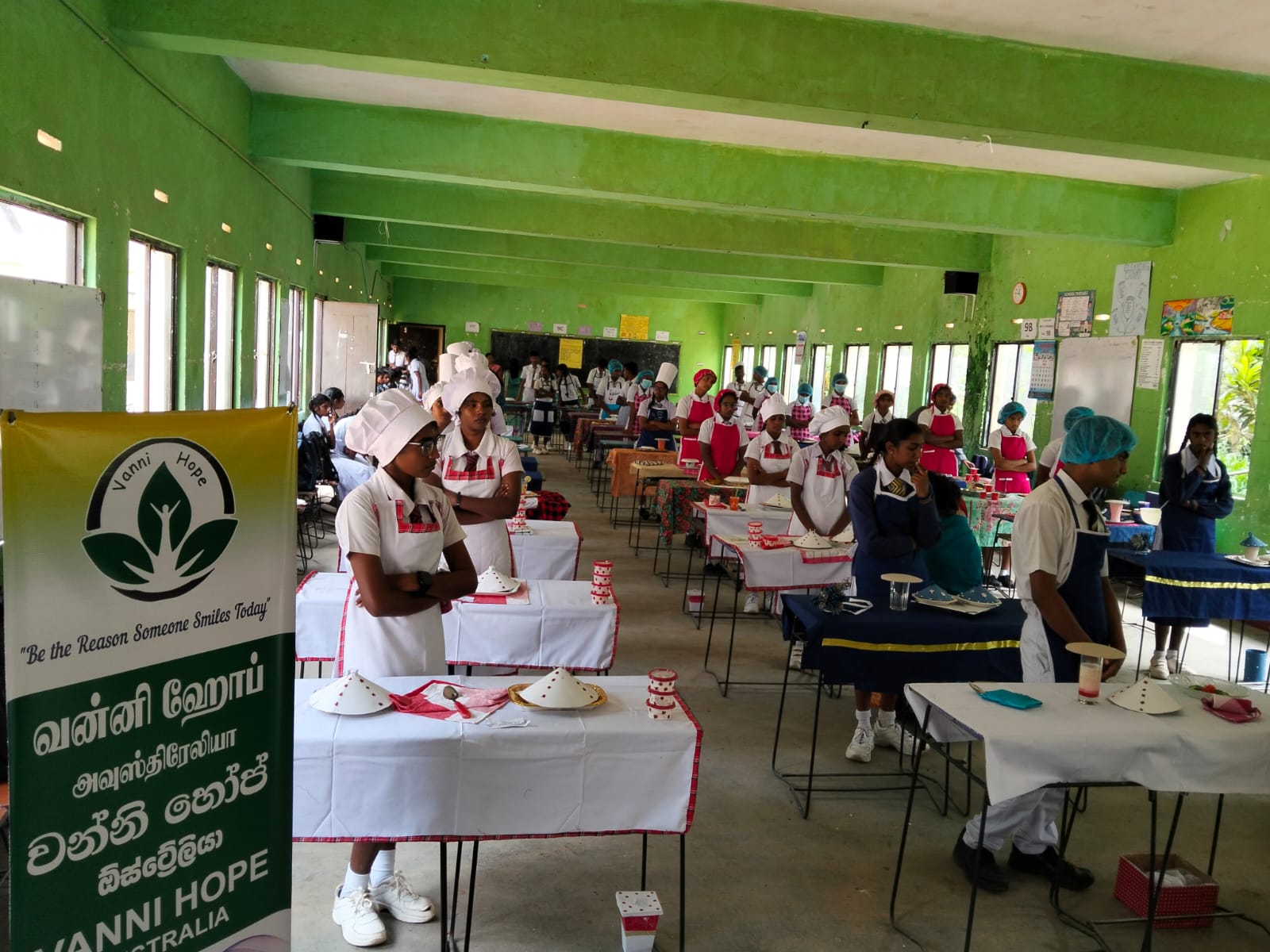

Students studying Home Science in the Nuwara Eliya Education Zone were provided with essential materials and resources to participate in practical training designed to strengthen their knowledge, skills, and confidence. Approximately 40 students took part in the training and related activities, gaining valuable hands-on experience that supported both their academic studies and everyday life skills.
The initiative addressed an important challenge faced by students from economically vulnerable families, particularly those from tea plantation communities, where limited household incomes can make it difficult to afford the food ingredients, utensils, and other resources required for practical Home Science activities.
 Turning Classroom Knowledge Into Practical Experience
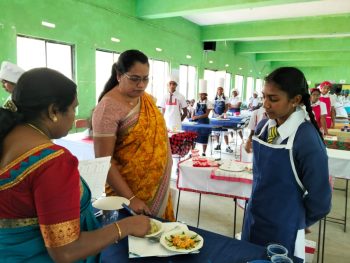 Turning Classroom Knowledge Into Practical Experience
Home Science education extends beyond theoretical learning, requiring students to actively apply what they have learned through practical activities. By providing the necessary materials, the programme allowed students to participate more fully in hands-on sessions and develop their abilities through direct experience.
The practical activities created opportunities for students to identify their individual strengths and talents while developing greater confidence in completing tasks independently.
Preparing Students for Future Examinations
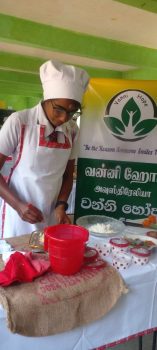 Preparing Students for Future Examinations
The training also supported students as they prepared for future Home Science practical assessments and examinations. Access to appropriate materials allowed participants to practise curriculum based activities and strengthen competencies that could otherwise be difficult to develop without adequate resources.
Providing these opportunities helped students approach their studies with greater preparation and confidence while reducing barriers that could affect their participation in practical education.
Building Skills for Everyday Life
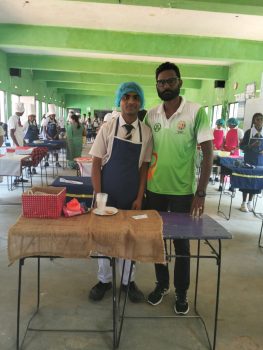 Building Skills for Everyday Life
Beyond examination preparation, the programme helped students develop practical abilities that could remain valuable throughout their lives. Home Science learning provided opportunities to strengthen skills related to food preparation, organisation, household management, and other areas relevant to everyday living.
Through active participation, students were able to develop problem-solving abilities, independence, and practical knowledge while discovering areas in which they could continue to build their talents.
Creating Fairer Opportunities for Learning
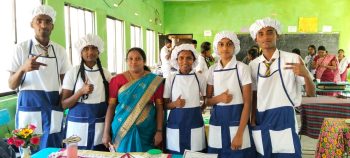 Creating Fairer Opportunities for Learning
For students from low income tea plantation worker families, the cost of ingredients and practical equipment can create additional barriers to education. The initiative helped address this challenge by ensuring participating students had access to the resources required to engage meaningfully in their practical sessions.
By reducing these financial barriers, the project supported more equitable educational opportunities and enabled students to focus on developing their skills and working toward their academic goals.
The successful completion of the programme reflected Vanni Hope’s continued commitment to education and skill development among young people in underserved communities. By investing in practical learning opportunities, the initiative supported students not only in preparing for examinations but also in developing confidence and skills that could benefit them beyond the classroom.
Through projects such as this, Vanni Hope continues to help remove barriers to education and create opportunities for young people to recognise their potential, strengthen their abilities, and prepare for their futures.